
What "Service-Area Business" Means for Your Local Visibility
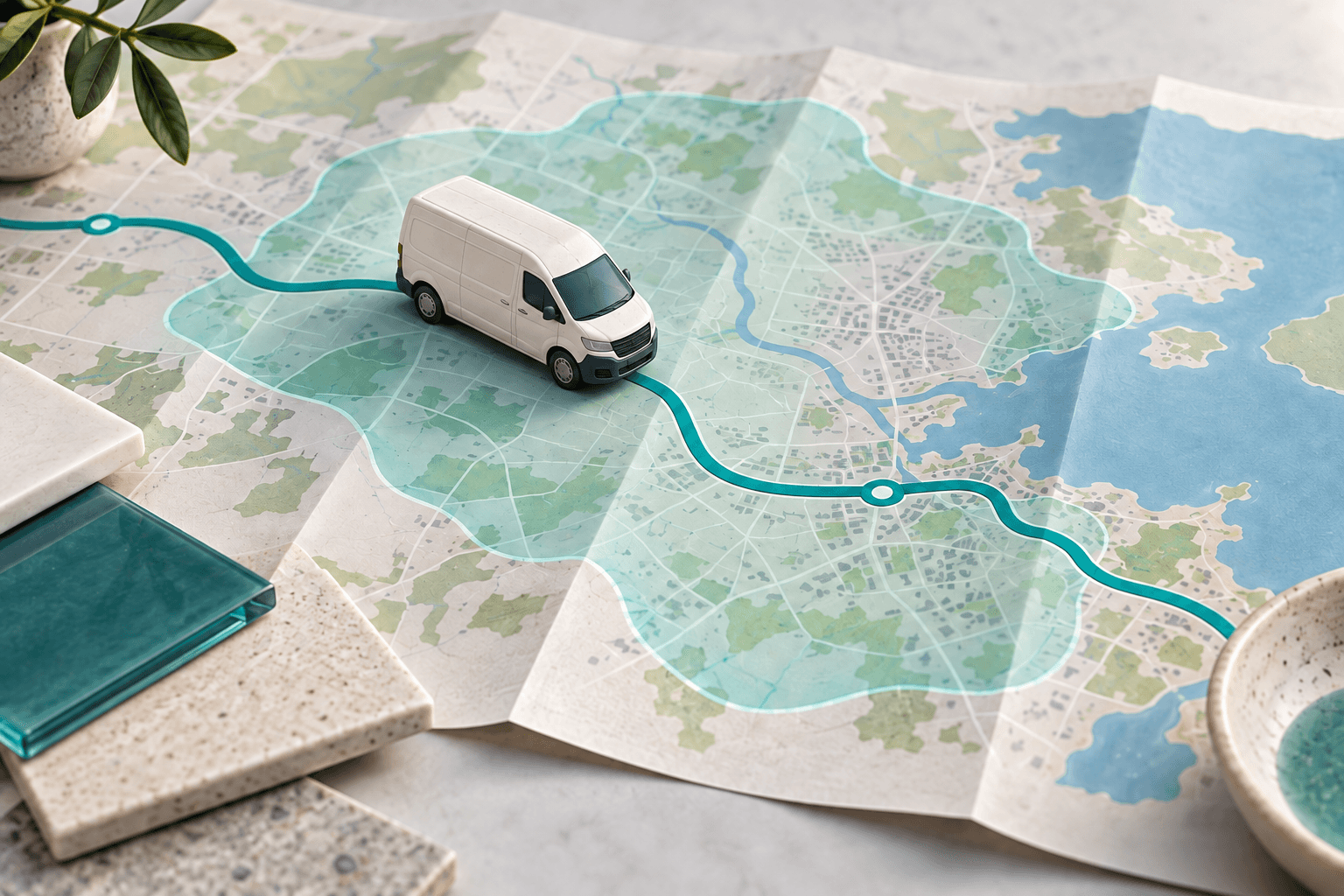
Most plumbers, electricians, roofers and similar trades don't operate from a shop customers walk into. They work from a van, a home office, or a small unit that's never customer-facing. On Google Business Profile, this is a specific, named category: a service-area business, and it changes how local visibility actually works for you.
What hiding a business address means
Google allows eligible service-area businesses to hide their address from customers. Hiding the address is a display setting; it does not establish that Google has lost the business location. Follow Google’s address guidance when deciding what to show.
Describe the service area accurately so customers understand where the business works. Do not assume that adding a town to the profile makes the business rank there.
What fills the gap instead
Focus on information that helps customers understand the business and on checks that reveal what is actually being measured:
- Accurate services and contact details
- A service area that reflects where the business works
- Useful website information and examples of real work
- Visibility measurements tied to a particular keyword and search location
A completed-job record can show customers where you have worked. Fusion44 for Businesses provides Geo Pins for those records, but they should not be described as replacing a proximity signal or extending a Google Maps ranking radius.
A realistic view of what this changes
Business owners can use position tracking to understand how visibility differs across checked locations. Interpret the findings against your actual services and relevant business information, and review the Google Business Profile basics before making changes.